John Olson: From Managing a Billion-Dollar Healthcare Budget to E-Commerce, Real Estate, and Executive Coaching
Gildre · Start to Scale Podcast
“The moment I realized I was responsible for a billion-dollar budget with almost no formal leadership training was the moment I understood I had to invest in myself, aggressively and immediately.”
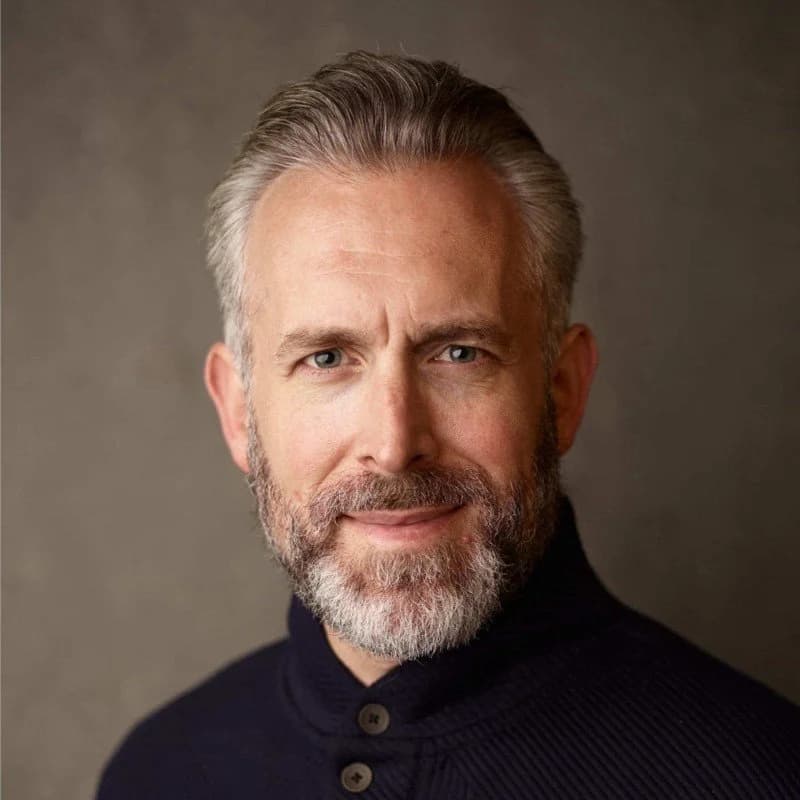
John Olson at a Glance
- →Former healthcare executive overseeing complex, multi-departmental operations
- →Studied leadership at Wharton's Healthcare Leadership Initiative, UC Davis, and Stanford
- →Co-founded and scaled an e-commerce business alongside his wife
- →Built a diversified portfolio spanning e-commerce, real estate, and services
- →Executive coach helping entrepreneurs and leaders navigate complexity and growth
- →Practitioner of the 'Who Not How' delegation framework for scaling without burnout
- →Active member of Gildre, invests in peer groups as a core leadership strategy
The Pirate Ship Problem: Leading Experts Who Know More Than You
Healthcare leadership is one of the most underrated proving grounds for business founders. You are managing units that operate like autonomous ships, each one led by clinical experts who have devoted careers to becoming the best in their specialty. Your job is not to be the smartest person in the room. Your job is to be the person who makes the room work.
John Olson learned this early. Walking into healthcare administration as a young leader, he found himself responsible for teams of specialists: nurses, physicians, department heads, who had decades of domain expertise he would never match. The instinct to project authority was a trap. The skill that actually worked was humility: knowing what you don't know, asking the right questions, and building trust with people who have no reason to give it to you automatically.
Then came the moment that changed everything.
The Billion-Dollar Wake-Up Call
A nurse on John's team was managing a budget that exceeded one billion dollars. She was extraordinarily competent at her clinical work. The financial and operational complexity surrounding that responsibility was another matter entirely, and as her leader, the accountability ultimately landed with him.
That realization: the full weight of what he was responsible for versus the formal leadership preparation he had received, was the inflection point. Not a crisis, but a clarity. He needed to invest in himself with the same seriousness that the organization invested in its most critical operations.
“I stopped waiting for the organization to develop me. I enrolled myself.”
What followed was a deliberate, structured investment in leadership education. Wharton's Healthcare Leadership Initiative. Formal programs at UC Davis and Stanford. Not for the credentials, for the frameworks, the networks, and the discipline of learning alongside other high-performing professionals who were asking the same hard questions.

Why Peer Groups Are the Highest-ROI Investment a Leader Can Make
Alongside formal education, John discovered what he now considers the most undervalued tool in any leader's development stack: the peer group.
Not networking events. Not LinkedIn. High-quality, curated groups of people who are operating at a similar level, facing similar challenges, and committed to being honest with each other. Groups like Gildre, where the conversations go beyond surface-level business updates into the real problems: the hiring mistake you can't talk about publicly, the strategic decision that keeps you up at night, the blind spot your team is too close to see.
The ROI of a great peer group, John argues, is not measured in advice received. It's measured in decisions made faster, mistakes avoided, and the compounding effect of being around people who normalize a higher standard of thinking.
“Your peer group is one of the most important things you can invest in. The people you think with shape what you're capable of thinking.”
The Entrepreneurial Leap: E-Commerce, Real Estate, and Building With His Wife
The transition from healthcare administration to entrepreneurship was not impulsive; it was the product of years of watching what autonomy looked like in the people he admired, and gradually building the conviction that he could create it himself.
The first major move was e-commerce, built alongside his wife. What started as a focused venture grew rapidly, and with it came both the rewards and the real tests of entrepreneurship: operational complexity, team-building, the need to move from doing to leading at a completely different scale.
Real estate followed as a natural extension, a different business model with different leverage mechanics, different cash flow characteristics, and different demands on his attention. Building a portfolio of businesses, John learned something that healthcare had only begun to teach him: that the skill separating good operators from great ones is not execution. It's judgment about what to execute yourself and what to hand off.
“Who, Not How”: The Delegation Framework That Changes Everything
The most common trap for high-achieving founders and executives is the belief that their value is in their doing. They are often excellent at a specific set of skills covering operations, sales, product, and finance, they have built identity and confidence around those skills. Letting go feels like risk. It feels like losing control.
John's framework for breaking that pattern is simple in principle and hard in practice: stop asking how to get something done, and start asking who should own it.
Identify what only you can do
Most founders dramatically overestimate how many tasks genuinely require their involvement. Honest accounting of your unique contribution is the first step toward intelligent delegation.
Hire for ownership, not task completion
The difference between a great hire and an adequate one is whether they take ownership of outcomes or simply execute instructions. Build teams of owners, not operators.
Define the outcome, not the method
Micromanagement is usually disguised as quality control. When you trust the 'who,' you define what done looks like. Then get out of the way.
Acknowledge your team publicly
John is emphatic about this: the people who built his businesses with him including his wife, deserve explicit recognition. Credit is not a finite resource. Share it.
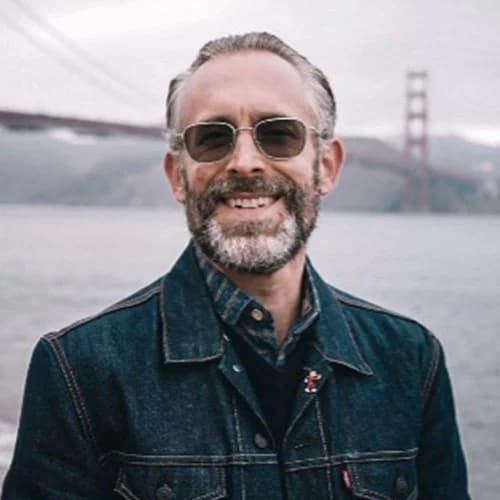
The Coaching Calling: Helping Others Navigate What He's Already Lived Through
Somewhere in the middle of building businesses and developing his own leadership practice, John found a new source of meaning: helping others do what he had done.
Executive coaching was not a pivot; it was an extension. The skills he had developed across healthcare, entrepreneurship, and team-building were exactly the skills that other founders and leaders were struggling to acquire. And the satisfaction of watching a client make a decision with clarity they didn't have six months ago turned out to be remarkably similar to what he had loved about healthcare: the moment when someone becomes more capable than they were before you worked with them.
The through-line across all four chapters of John's career (healthcare, e-commerce, real estate, coaching) is the same: find the people around you, invest in them relentlessly, and build systems that compound their capability over time. The vehicle changes. The operating philosophy doesn't.
What John Would Tell His Younger Self
Invest in peer groups before you feel ready: the conversations will accelerate your readiness.
Your humility is an asset. Not knowing is the correct starting point for learning.
The 'who' is almost always more important than the 'how.' Hire for ownership.
Formal education is a tool, not a credential. Use it to build frameworks, not a résumé.
Building with a partner you trust including a life partner, is a strategic advantage, not a conflict of interest.
The same hunger that drove you to master your craft will drive you to become a great leader, if you channel it deliberately.
Start to Scale Podcast
Hear the Full Conversation with John Olson
John goes deeper on the billion-dollar budget moment, what Wharton taught him that Stanford didn't, and how he and his wife built multiple businesses in parallel.
Listen to the Episode →Want to connect with founders and leaders like John?
Join Gildre