
Freelance Revolution: How the Gig Economy is Reshaping Work

Technology, the economy, and how people want to work have all blown up the traditional job market, paving the way for the gig economy. It's not some tiny thing anymore; it's a huge global deal, changing everything from how companies run to how people earn a living. Freelancers and gig workers are now a major part of how work gets done. Let's dig into why this shift happened, what it means for businesses and workers, and what opportunities and challenges lie ahead.
What is the Gig Economy?
The gig economy, characterized by the prioritization of flexibility and agility, is a labor market where short-term contracts and freelance work are prevalent. This model allows workers to engage in various projects or "gigs" instead of traditional permanent employment. It can be seen as the "Uberization" of work, with platforms like Uber, Lyft, DoorDash, and Upwork connecting workers with opportunities instantly.
Unlike traditional jobs, gig workers typically function as independent contractors. This means they have more control over how, when, and where they work, but also take on the risks that come with that freedom. From creative professionals designing logos and writing content to delivery drivers and tech experts, gig workers span across nearly every industry. The common thread is a focus on short-term, flexible engagements rather than long-term commitments.
These aren’t just statistics—they’re a testament to how deeply the gig economy has embedded itself into the fabric of modern work.
What’s Driving the Gig Economy?
The rise of the gig economy isn’t accidental. It’s the result of several converging factors that have reshaped how we think about work.
1. Technological Advancements
The proliferation of smartphones and high-speed internet has been a game-changer. Digital platforms now act as intermediaries, seamlessly connecting workers with consumers or businesses in real-time. Whether it’s a rideshare app matching drivers with passengers or a freelance marketplace linking designers with clients, technology has made gig work accessible and efficient.
Artificial intelligence and automation have also played a role in supporting this shift. Automated invoicing, project management tools, and communication apps make it easier for gig workers to stay organized and manage multiple clients simultaneously. This technological backbone enables freelancers to work from virtually anywhere, further fueling the demand for remote gigs.
2. Changing Worker Preferences
Lots of people today, especially younger generations, are looking for more control over their work hours and a better balance with their personal lives. Gig work is really appealing because it offers flexibility, independence, and the chance to pursue diverse experiences. It allows them to travel, manage family responsibilities, and earn money while setting their own schedule and workload.
Additionally, the pandemic accelerated this mindset shift. As people realized they could be productive outside traditional office settings, the desire for freelance and remote work skyrocketed. Companies that once hesitated to hire remote contractors now embrace the flexibility as a cost-saving measure.
The Impact on Workers
The gig economy offers unprecedented flexibility and opportunities for self-determination; however, it comes with significant challenges.
The Upside: Autonomy and Flexibility
One of the most significant benefits for gig workers is the ability to shape their work environment and schedule. They can choose projects that align with their skills and passions, and they’re not tied to a single employer. This kind of freedom fosters creativity and innovation while also allowing for a more personalized work experience.
The Downside: Lack of Benefits and Financial Instability
The gig economy offers fantastic flexibility and autonomy, but lacks the stability of traditional employment. Gig workers typically forgo benefits like health insurance, retirement plans, and paid leave. They're responsible for managing their own taxes and often experience fluctuating income, making budgeting and unexpected expenses challenging.
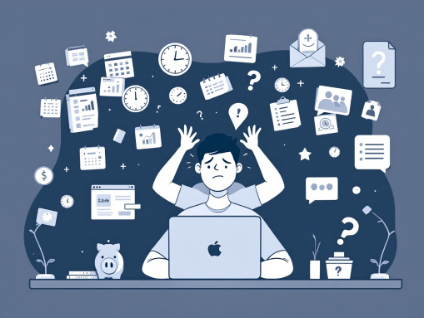
There’s also a mental toll that comes with gig work. The pressure to consistently find new projects, coupled with a lack of job security, can contribute to stress and burnout. Plus, competition on freelance platforms is fierce, making it tough for newcomers to secure well-paying gigs.
The Impact on Businesses
The Upside: Scalability and Access to Global Talent
Platforms like Upwork and Fiverr make it super easy for startups and small businesses to find freelance talent from all over the world. Need a graphic designer or software developer? No problem! Thanks to the gig economy, you can quickly bring in people with specialized skills without having to hire full-time employees. It's a great way to grow your team as needed, especially when you're on a budget but need those niche skills.
Gig workers also allow companies to scale rapidly. During peak periods or special projects, businesses can quickly onboard talent and then reduce their workforce without the hassle of layoffs. This flexibility is invaluable in an unpredictable economic landscape.
The Downside: Quality Control and Worker Loyalty
Building a strong company culture is tough when you don't have long-term relationships with freelancers. Also, keeping quality consistent can be tricky, and freelancers might not have the same loyalty or commitment as full-time staff. Moreover, the lack of face-to-face interaction can lead to communication breakdowns and misunderstandings about project expectations.
Final Thoughts
The whole gig economy thing has really shaken up how we work. Lots of people are freelancing and doing temp jobs now, and it's become super normal. It's great because workers get loads of flexibility, and companies can save some cash. But there are some kinks to work out. We need to make sure gig workers are paid fairly and get decent benefits, plus come up with rules that let new ideas thrive. It's a bit messy, sure, but honestly, there's a ton of opportunity here.
Freelancing's totally changing the game for how we work now. With the gig economy booming, we gotta figure out a system that's good for everyone—workers, businesses, the whole deal. There is tons of potential, but we've got some challenges to sort out too. This gig thing isn't a fad, so let's focus on making it a win-win.
