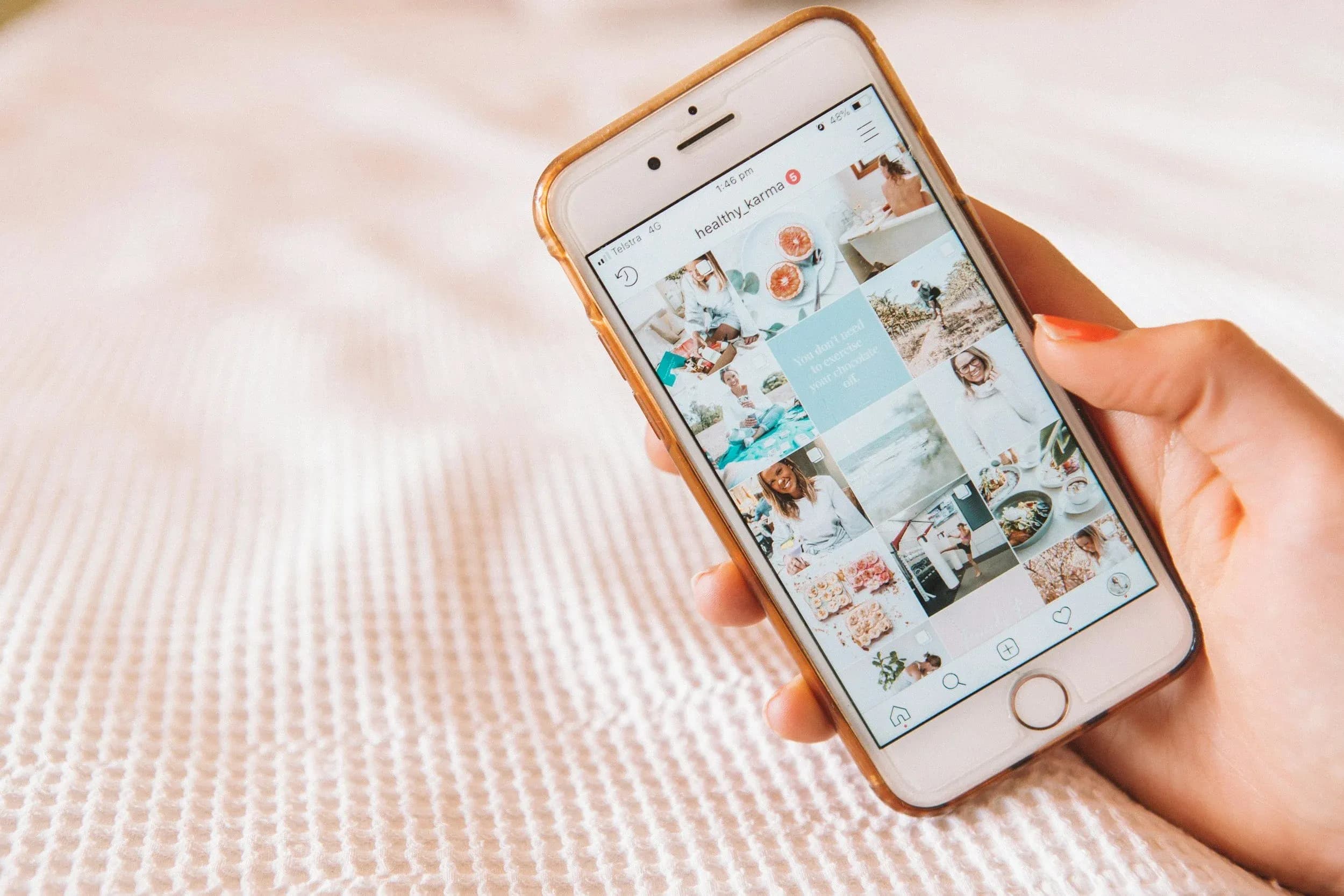
You've seen them everywhere: an Instagram post from someone with 18,000 followers who genuinely loves a skincare brand, a TikTok from a niche fitness creator who happens to use a specific piece of gear. This is micro-influencer marketing in practice: smaller audiences, deeper trust, and often a more direct line to purchase than anything a celebrity endorsement can deliver.
For founders, the opportunity is significant, and significantly underused. Micro-influencer campaigns are accessible without a major brand budget, measurable at the campaign level, and particularly effective in niche markets where authenticity carries more weight than reach. But the value is only there if you find the right partners and run the engagement well.
Key Takeaway
Micro-influencers (1,000–100,000 followers) generate 3–8% engagement rates versus 1–2% for mega-influencers, at a fraction of the cost. For most early-stage brands, ten targeted micro-influencer partnerships outperform a single celebrity deal on engagement, conversion, and cost per acquisition.
What Is a Micro-Influencer and How Are They Different From Macro-Influencers?
Micro-influencers are creators with followings typically between 1,000 and 100,000, though the more useful definition isn't about follower count at all. It's about audience relationship. A micro-influencer has cultivated a community around a specific niche: sustainable fashion, home espresso, indie game development, trail running, personal finance for Gen Z. Their followers don't just see them; they trust them.
Why micro beats mega on the metrics that matter
Mega-influencers (1M+ followers) average engagement rates around 1–2%. Micro-influencers routinely see 3–8%, sometimes higher in tightly defined niches. This gap compounds: a partnership with ten micro-influencers at 15,000 followers each often produces more genuine engagement than one macro deal at 500,000 followers, at a fraction of the cost.
The mechanism is straightforward: followers perceive micro-influencers as people rather than brands. Recommendations feel like advice from someone they know, not a sponsored post to scroll past.
How Do You Find the Right Micro-Influencers for Your Brand?
Key Takeaway
The most important criteria when selecting a micro-influencer is audience alignment, not follower count. A creator with 8,000 deeply relevant followers will outperform one with 80,000 broadly scattered ones. Look for genuine community engagement in the comments (questions, debate, repeat followers), not just high view counts.
The single biggest mistake brands make is optimizing for follower count rather than audience fit. A creator with 8,000 deeply aligned followers will outperform one with 80,000 broadly scattered ones. Here's how to find people worth your time.
Search where your audience already lives
Start with hashtags relevant to your product category and niche. On Instagram and TikTok, sort by "Recent" not "Top"; you're looking for consistent creators, not one-hit posts. Look for accounts posting multiple times per week on your topic, with comments that show genuine community engagement (questions, personal responses, repeat commenters), not just emoji reactions.
Audit their content before you reach out
Review the last 30 posts. Does the content quality and tone match your brand? Have they done paid partnerships before, and if so, how were they integrated: did they feel natural, or were they obvious inserts? What do their followers say in the comments? Authentic endorsers get questions, debate, and genuine enthusiasm. Low-quality partnerships get silence.
Use your existing audience as a source
Your current customers include people who already love your product and happen to have engaged followings. Search your own brand's tags, check who's mentioning you, and look at who engages consistently with your posts. These individuals make ideal first partners: the endorsement is already credible because it's already real.
Consider influencer platforms for scale
Tools like AspireIQ, Grin, Upfluence, and Creator.co offer searchable databases filtered by niche, engagement rate, audience demographics, and platform. If you plan to run ongoing campaigns across multiple creators, the search filters and campaign management features are worth the subscription cost. For a one-off test, manual discovery is fine.
How Do You Build a Micro-Influencer Partnership That Produces Results?
The fastest way to produce forgettable influencer content is to over-script it. Micro-influencers have audiences because they have a voice; give them room to use it.
How should you brief a micro-influencer without over-scripting them?
Tell creators what you want to achieve (introduce our product to people who care about sustainable skincare, drive trial signups, generate authentic testimonial content) and give them a clear brief that covers your brand values, key messaging, and any hard limits. Then step back. The creative execution should be theirs. The audience can tell when creators are reading from a script, and so can the algorithm.
How much should you pay a micro-influencer?
Product-only compensation works at the earliest stage or for very small accounts, but it undervalues creators and produces less committed partnerships. Pay fairly (see the platform benchmarks below), and if budget is tight, negotiate deliverables rather than rates. A sponsored Instagram Story plus one post is a better deal for both sides than a discounted post with ambiguous terms.
Should you run one-off posts or ongoing micro-influencer campaigns?
A single post rarely builds the kind of trust that converts. When you find a creator who performs well and whose audience responds authentically to your brand, invest in a longer partnership. Repeated, genuine exposure to a product through a trusted voice is far more effective than a single sponsored mention. Brands like Glossier built entire marketing engines this way, through ongoing relationships with thousands of micro-advocates rather than one-time celebrity placements.
How do you maintain effective communication with micro-influencers during a campaign?
Treat creators like collaborators, not contractors. Share campaign performance with them, ask what's resonating with their audience, and incorporate their feedback into future briefs. The creators who feel like partners produce better content and are far more likely to organically mention you outside of paid placements.
How Much Do Micro-Influencers Charge? Pricing by Platform (2026)
Rates vary significantly by niche, audience demographics, engagement rate, and the creator's experience negotiating brand deals. These ranges reflect typical market rates : expect to pay toward the higher end for creators with strong engagement and a proven record of converting their audience.
Instagram Post
$100–$1,500
Per in-feed post. Static images typically lower than carousel.
Instagram Stories
$50–$500
Per story set. Link stickers increase conversion value.
TikTok Video
$200–$2,500
Higher ceiling due to virality potential.
YouTube Integration
$500–$5,000
Mid-roll mentions or dedicated reviews. Long shelf life.
Blog Post / Article
$250–$1,500
SEO value compounds over time. Good for search-driven products.
Twitter / X Post
$50–$500
Lower engagement platform; works best for B2B or tech products.
Many brands also structure affiliate deals where the creator earns a percentage of sales generated through a trackable link or code. This aligns incentives well and works particularly effectively in consumer products, fashion, and beauty. Product-exchange agreements (no cash, just product) can work for very early-stage brands or for creating initial seeding content, but shouldn't be a long-term strategy.
Which Metrics Should You Track to Measure Micro-Influencer ROI?
Key Takeaway
The two most useful metrics for evaluating micro-influencer performance are cost per engagement (total spend divided by interactions) and cost per acquisition (spend divided by conversions). Reach and impressions measure visibility; CPE and CPA measure actual value, and they often tell very different stories.
Reach and follower count are vanity metrics for influencer campaigns. Here's what to track instead.
Engagement Rate
2–5%+
Likes, comments, saves, and shares divided by reach. The primary quality signal for an influencer's audience relationship.
Click-Through Rate
1–3%
If using link-in-bio or swipe-up: percentage of viewers who take action. Reveals genuine purchase intent.
Conversion Rate
1–5%
Of those who click, how many convert to trial, purchase, or signup. Use unique codes or UTM parameters per creator.
Cost Per Engagement
$0.10–$2
Total spend divided by total interactions. Allows apples-to-apples comparison across creators.
Cost Per Acquisition
Benchmark vs. your other channels
The most honest metric. Compare micro-influencer CPA against paid social, SEO, and outbound to understand true ROI.
Follower Growth
Track during campaign
A secondary signal. If your brand page grows during a campaign, it indicates the creator's audience found you credible.
What Does a Successful Micro-Influencer Campaign Look Like in Practice?
Glossier is the most cited example; the brand built its early growth almost entirely through micro-influencer and customer advocacy rather than paid advertising. By seeding products with beauty enthusiasts who had small but devoted followings, they generated authentic content at scale and built a community before they had the budget to buy one.
Daniel Wellington grew largely through gifting watches to micro-influencers across lifestyle and fashion niches, pairing each placement with a unique discount code. The campaign generated measurable attribution at scale and demonstrated that micro-influencer spend could produce results comparable to performance marketing channels, with stronger brand perception as a secondary benefit.
Neither of these was a major brand when they started. The micro-influencer channel is accessible precisely because it doesn't require scale to start. You can run a pilot with three to five creators at modest spend, measure the results, and scale what works.
One pattern worth avoiding
The most common failure mode in micro-influencer marketing isn't picking the wrong creator; it's running the wrong brief. Over-scripted content where the creator's voice disappears, mandatory call-to-action language that sounds nothing like how they talk, and creative constraints that produce stilted posts will underperform every time. Trust that the creator knows their audience. Brief them on your brand, give them the product, and let them make something their followers will actually engage with.
Access and Transparency Through Gildre
One of the friction points founders consistently raise about influencer marketing is opacity: not knowing if a creator's numbers are real, not understanding what fair market rates look like, and not having warm introductions to agencies or management teams who work with the creators they want to reach.
Gildre has built relationships with key influencer talent agencies to give members transparent access to the industry: real rate benchmarks, introductions to vetted creator representatives, and peer founders who've run campaigns and can share what worked and what didn't. The community insight layer is often more valuable than the platform itself.
Frequently Asked Questions
What is a micro-influencer?
A micro-influencer is a content creator with a following typically between 1,000 and 100,000 who has built an engaged, trust-based community around a specific niche. Unlike macro-influencers, micro-influencers are perceived by their audience as genuine peers, producing engagement rates of 3–8% compared to 1–2% for accounts with millions of followers.
How do you find micro-influencers for your brand?
The four most effective methods are: searching niche-relevant hashtags on Instagram and TikTok and filtering by recent posting frequency; mining your existing customer base for users who already have engaged followings; using influencer platforms like AspireIQ, Grin, or Upfluence to filter by audience demographics and engagement rate; and monitoring who organically tags or mentions your brand.
How much does micro-influencer marketing cost?
Micro-influencer rates typically range from $50–$500 for Instagram Stories, $100–$1,500 for in-feed posts, $200–$2,500 for TikTok videos, and $500–$5,000 for YouTube integrations. Many early-stage brands supplement flat-fee deals with affiliate arrangements (10–20% commission), which align incentives and reduce upfront costs.
Is micro-influencer marketing effective for early-stage startups?
Yes. Micro-influencers consistently deliver higher engagement rates, better cost-per-acquisition, and stronger brand trust than macro-influencers for most early-stage products. The key advantage for startups is affordability at scale: partnering with 20 micro-influencers in a specific niche typically outperforms one campaign with a single influencer who has 2 million followers.
How do you measure the success of a micro-influencer campaign?
The five metrics that matter most are: engagement rate on the sponsored content (benchmark: 3–8% for micro-influencers), referral traffic via UTM-tagged links, conversion rate of that referral traffic, cost per acquisition versus other channels, and brand search volume lift in the week following the post. Track all five before declaring a partnership successful or scaling it.
Gildre Founder Community
Get inside access to the influencer industry.
Gildre members get transparent insight into influencer marketing through partnerships with key talent agencies, plus peer founders who've run campaigns and can tell you what actually converted.
Join Gildre →