The SEO Playbook for Startups: Ranking for High-Intent Keywords Without a Huge Budget
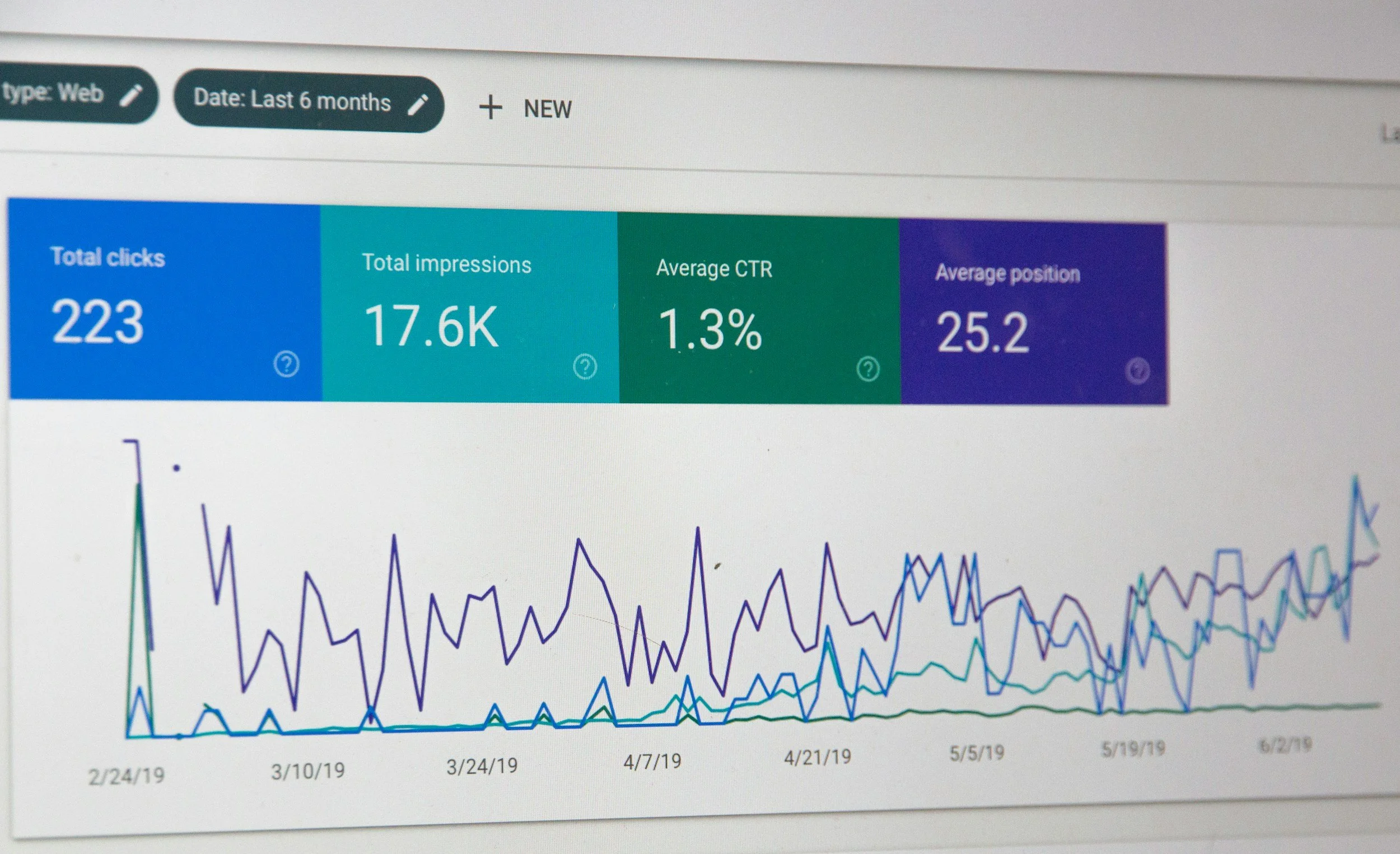
SEO can feel overwhelming for startups—big players dominate search results, algorithms change constantly, and organic growth takes time. But here’s the good news: you don’t need a massive budget to rank for high-intent keywords and drive quality traffic. You just need a smart, systematic approach. This playbook will show you how as we’ve spoken with dozens of early-stage founders who have found success with these methods as they scaled.
1. Focus on High-Intent, Low-Competition Keywords
Not all keywords are created equal. Your best bet as a startup? Target high-intent keywords that indicate purchase readiness—but avoid the ultra-competitive ones dominated by giants. Instead, go after long-tail keywords (3-5 words long) that are more specific and easier to rank for.
How to Find These Keywords:
Use Google’s autocomplete and “People Also Ask” sections.
Check competitors’ websites using tools like Ahrefs, SEMrush, or Ubersuggest.
Look for question-based queries on Quora, Reddit, and niche forums.
Focus on buyer-intent modifiers like “best,” “vs,” “review,” and “pricing.”
2. Create Content That’s 10x Better Than the Competition
Once you’ve identified your keywords, content quality is your competitive edge. Instead of writing generic blog posts, create content that goes deeper and provides more value than anything else out there.
What Makes Content 10x Better?
More depth: Answer every question a user might have.
Better visuals: Use infographics, charts, and original data.
Real examples & case studies: Show proof, not just theory.
Better readability: Use short paragraphs, bullet points, and clear headings.
A strong content strategy isn’t about volume—it’s about quality and intent-match.
3. Optimize for On-Page SEO (Without Overcomplicating It)
Google’s algorithm is smart, but it still relies on basic SEO best practices to understand your content. Nail these basics to boost your rankings:
Title Tags: Make them compelling and include your primary keyword.
Meta Descriptions: Summarize content in a way that drives clicks.
Headings (H1, H2, H3): Use structured hierarchy for easy readability.
Internal Links: Link to related content on your site.
Alt Text for Images: Helps with accessibility and rankings in image search.
Fast Loading Speed: Use tools like PageSpeed Insights to check and optimize.
If you’re consistently publishing high-quality content and following these SEO basics, you’re ahead of most startups.

4. Build High-Quality Backlinks Without Spamming
Backlinks (other sites linking to yours) remain a major ranking factor. But forget spammy link-building tactics—Google’s too smart for that. Instead, earn genuine, high-quality backlinks with these tactics:
Guest Posting: Write value-packed content for relevant industry blogs.
Digital PR: Pitch your expertise to journalists on sites like HARO.
Linkable Assets: Create ultimate guides, studies, or free tools that naturally attract links.
Broken Link Building: Find broken links on relevant sites and suggest your content as a replacement.
Backlinks take time, but a few high-quality links can do more for rankings than dozens of low-quality ones.
5. Leverage Quick-Win SEO Tactics
Some SEO wins take months, but others can drive fast results. Here are a few:
Optimize Existing Content: Update old posts with fresh insights and re-optimize for keywords.
Steal Featured Snippets: Answer common questions concisely to win the coveted snippet spot.
Repurpose Content: Turn blog posts into videos, infographics, and social media snippets.
Optimize for Local SEO: Even if you’re online-only, claiming your Google Business Profile can help with visibility.
6. Don’t Ignore Technical SEO (But Keep It Simple)
Technical SEO sounds scary, but it mostly boils down to making your site easy for Google to crawl and index.
Key Fixes:
Ensure Mobile Friendliness: Use Google’s Mobile-Friendly Test.
Fix Broken Links & 404 Errors: Use tools like Screaming Frog to find and fix issues.
Improve Page Speed: Compress images, enable caching, and use a fast hosting provider.
Use a Clear URL Structure: Keep URLs simple, descriptive, and keyword-rich.
If your site loads fast, works on mobile, and doesn’t have broken pages, you’re already ahead.
7. Measure, Iterate, and Double Down on What Works
SEO is not a set-it-and-forget-it game. The startups that win at SEO track their results, learn, and optimize continuously.
Tools to Track Performance:
Google Search Console: See which keywords drive traffic and fix indexing issues.
Google Analytics: Track visitor behavior and conversions.
Ahrefs/SEMrush: Monitor keyword rankings and backlinks.
What to Look For:
Which blog posts drive the most traffic?
Which pages have high bounce rates?
Where are new backlinks coming from?
Double down on what’s working, cut what isn’t, and keep refining.
SEO is a Long Game, But It Pays Off
Startups often hesitate with SEO because it’s not an instant growth hack. But the truth is, organic search traffic compounds over time—making it one of the highest-ROI marketing channels out there.
The key? Consistency, smart keyword targeting, and a relentless focus on providing value. Stick with it, and in a few months, you’ll start to see your rankings—and customer pipeline—grow.